
Introduction
Investing in precious gems has always been a topic of intrigue and fascination for many. Among the plethora of options available, ruby stands out as a gemstone that exudes timeless elegance and allure. But the question remains: is ruby a good investment? In this comprehensive guide, we delve into the intricacies of ruby investments, exploring its history, market trends, and potential for investment growth.
Understanding Ruby
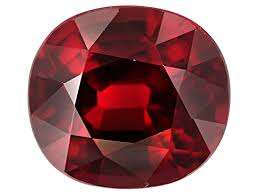
Before delving into its investment potential, it’s crucial to understand what makes ruby unique. Ruby is a precious gemstone known for its vibrant red hue, stemming from the presence of chromium within its crystal structure. This captivating color has earned ruby the title of the “King of Gemstones,” symbolizing passion, vitality, and prosperity.
 Historical Significance
Throughout history, ruby has held a revered status among various cultures and civilizations. Ancient societies believed ruby possessed mystical properties, attributing it with powers of protection and prosperity. Royalty adorned themselves with ruby jewelry, considering it a symbol of wealth and prestige.
Market Analysis
In today’s market, ruby continues to captivate investors and gem enthusiasts alike. The demand for high-quality rubies remains steadfast, particularly in regions such as Asia, where ruby holds cultural significance. However, the supply of natural rubies is limited, leading to an increase in their rarity and value.
Investment Potential
When considering ruby as an investment, several factors come into play. Firstly, the rarity of natural, untreated rubies contributes to their investment appeal. Unlike other gemstones, such as diamonds, which are commonly treated to enhance their appearance, natural rubies retain their value due to their scarcity.
Furthermore, the enduring demand for ruby jewelry ensures a stable market for investors. As economies grow and disposable incomes rise, the desire for luxury goods, including ruby jewelry, remains resilient. This consistent demand provides a solid foundation for ruby investments, offering potential for long-term growth.
Market Trends
In recent years, the ruby market has witnessed significant fluctuations in prices, driven by factors such as supply chain disruptions, geopolitical tensions, and economic uncertainties. Despite these fluctuations, the overall trajectory of ruby prices has been upward, reflecting its status as a coveted gemstone.
Moreover, advancements in gemstone identification and certification have bolstered investor confidence in the authenticity and quality of rubies. Established gemological laboratories provide rigorous testing and grading services, ensuring transparency and authenticity in the ruby market.
 Risk Factors
While ruby investments offer promising returns, it’s essential to acknowledge the inherent risks associated with gemstone investing. Market volatility, geopolitical instability, and fluctuations in consumer preferences can impact ruby prices unpredictably. Additionally, the presence of synthetic and treated rubies in the market poses challenges for investors seeking natural, untreated specimens.
Conclusion
In conclusion, ruby presents a compelling investment opportunity for those seeking to diversify their portfolio with alternative assets. Its rarity, enduring demand, and cultural significance contribute to its appeal as a store of value and a symbol of luxury. However, investors should approach ruby investments with caution, conducting thorough research and seeking guidance from reputable gemstone experts.
Investing in ruby requires patience, diligence, and a long-term perspective. By understanding the market dynamics, assessing risk factors, and staying informed about industry trends, investors can position themselves to capitalize on the timeless allure of this exquisite gemstone.